

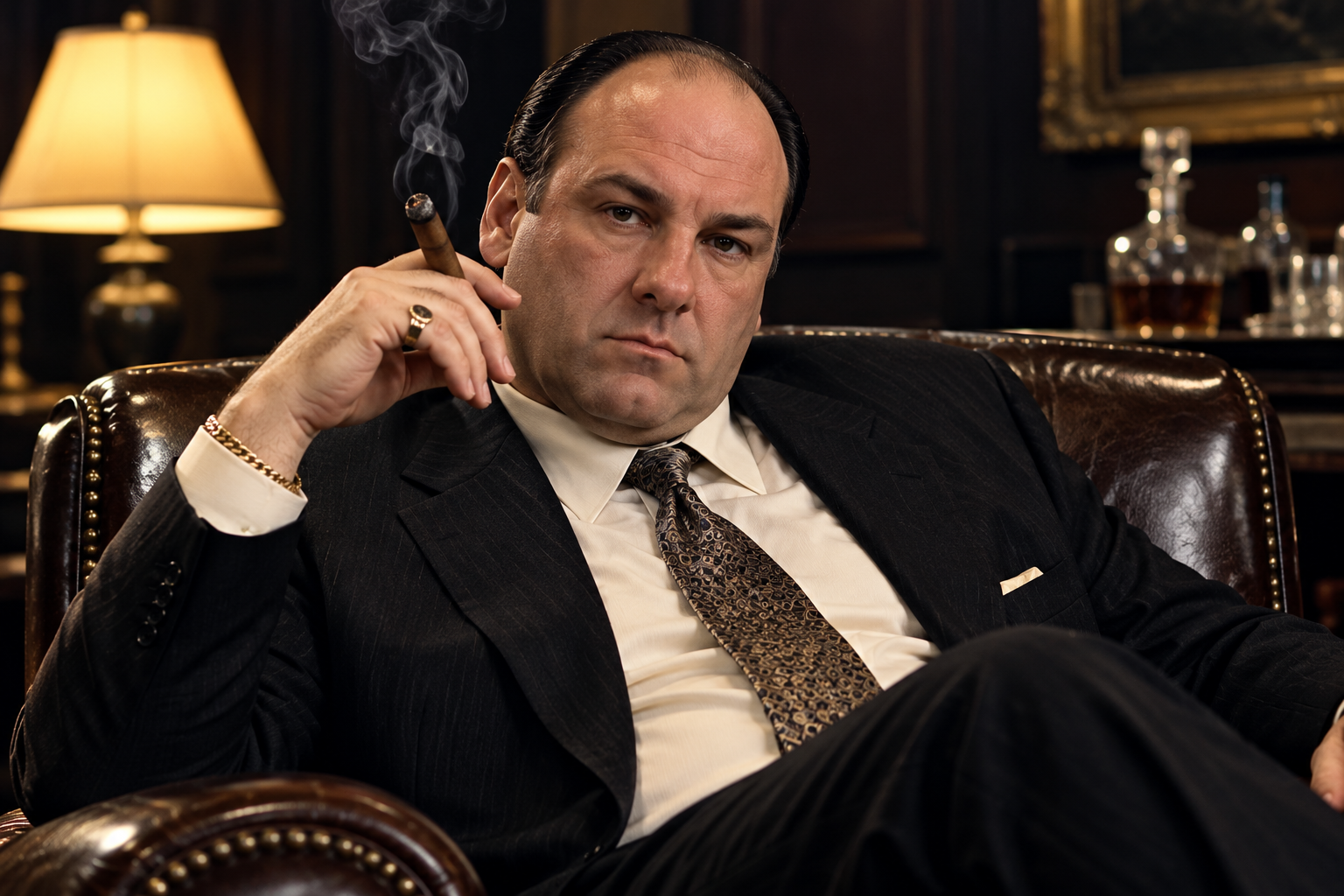
Die Soprano, more accurately known as Die Sopranos in German, is one of the most influential crime drama television series ever produced. Originally titled The Sopranos, this American television masterpiece combines organized crime, family relationships, psychological struggles, and dark humor.
Created by David Chase, the series premiered on HBO on January 10, 1999, and concluded on June 10, 2007. With six seasons and 86 episodes, it transformed modern television storytelling.
What Is Die Soprano About?
The story of Die Soprano follows Tony Soprano, an Italian-American Mafia boss living in New Jersey.
Tony struggles to balance his responsibilities as a criminal leader with his personal life as a husband and father.
After experiencing panic attacks, he begins attending therapy sessions with psychiatrist Dr. Jennifer Melfi.
These conversations reveal his emotional conflicts, personal insecurities, and complicated relationships.
The series explores themes including power, loyalty, betrayal, mental health, and family expectations.
Main Cast and Characters of Die Soprano
The success of the series comes partly from its talented cast and memorable characters.
1. Tony Soprano – James Gandolfini
Tony Soprano is the central character, portrayed by James Gandolfini. His complicated personality combines intelligence, aggression, emotional vulnerability, and criminal ambition.
2. Carmela Soprano – Edie Falco
Carmela is Tony’s wife, who struggles with the moral consequences of her husband’s criminal activities while maintaining their family life.
3. Dr. Jennifer Melfi – Lorraine Bracco
Dr. Melfi is Tony’s psychiatrist. Her therapy sessions provide insight into his behavior and emotional challenges.
4. Christopher Moltisanti – Michael Imperioli
Christopher is Tony’s younger relative and criminal associate, whose ambitions and personal struggles create major conflicts.
5. Junior Soprano – Dominic Chianese
Junior is Tony’s uncle and an influential Mafia figure involved in family power struggles.
Why Did Die Soprano Become So Popular?
The popularity of Die Soprano comes from its realistic characters, sophisticated writing, and unpredictable storytelling.
Unlike traditional crime dramas, the series explores the psychological consequences of criminal behavior.
Its characters frequently face difficult moral decisions, making the story emotionally engaging.
The combination of family drama, violence, humor, and psychological exploration helped establish new standards for television entertainment.
Awards and Critical Recognition
The Sopranos received widespread critical acclaim throughout its original broadcast.
The series won 21 Primetime Emmy Awards, including recognition for Outstanding Drama Series.
Its exceptional writing, acting, and direction influenced numerous television productions that followed.
Today, it remains an important example of character-driven storytelling.
The Ending of Die Soprano
One of the most discussed elements of the series is its final episode, Made in America.
The ending features Tony Soprano sitting with his family in a restaurant before the screen suddenly cuts to black.
This ambiguous conclusion generated considerable discussion among audiences.
Rather than providing a straightforward resolution, the finale encourages viewers to interpret the uncertainty surrounding Tony’s future.
Where Can You Watch Die Soprano?
The series is associated with HBO and its streaming services.
Availability varies by country and licensing agreements, so viewers should check authorized streaming platforms in their region.
DVD and Blu-ray editions are also available in many markets.
Conclusion
Die Soprano remains a landmark television series that changed how audiences experience crime dramas.
With unforgettable performances, complex characters, and emotionally powerful storytelling, The Sopranos continues to influence modern entertainment.
Whether watching for the first time or revisiting the series, audiences can discover a compelling exploration of family, crime, and human psychology.