
Maintaining a healthy digestive system is an important part of overall wellness. Many people ask, what are the best probiotics, when looking for ways to support digestion and maintain a balanced gut microbiome.
Probiotics are beneficial microorganisms found in certain foods and dietary supplements. However, choosing the right probiotic depends on your individual health needs, lifestyle, and the specific bacterial strain.
What Are Probiotics?
Probiotics are living bacteria and yeasts that can provide health benefits when consumed in appropriate amounts.
The human digestive system naturally contains numerous microorganisms. Certain probiotics can support digestive functions and help maintain a balanced intestinal environment.
They are available in fermented foods, capsules, powders, and liquid supplements. However, not every probiotic product offers the same benefits.
What Are the Best Probiotic Strains?
Different probiotic strains serve different purposes. Here are some widely studied options.
1. Lactobacillus Rhamnosus GG
This probiotic strain has been studied for its potential to reduce antibiotic-associated diarrhea in certain individuals. It is available in various dietary supplements.
2. Bifidobacterium Lactis
Specific strains of Bifidobacterium lactis may help improve bowel regularity and support digestive comfort. Research findings vary depending on the strain and individual.
3. Lactobacillus Acidophilus
This beneficial bacterium is commonly found in yogurt and probiotic supplements. Certain formulations may support lactose digestion.
4. Saccharomyces Boulardii
Unlike bacterial probiotics, Saccharomyces boulardii is a beneficial yeast. Research suggests that it may help prevent certain types of antibiotic-associated diarrhea, although it is unsuitable for some individuals.
Best Natural Probiotic Foods
Including fermented foods in your daily diet can be an enjoyable way to consume beneficial microorganisms.
Some popular options include:
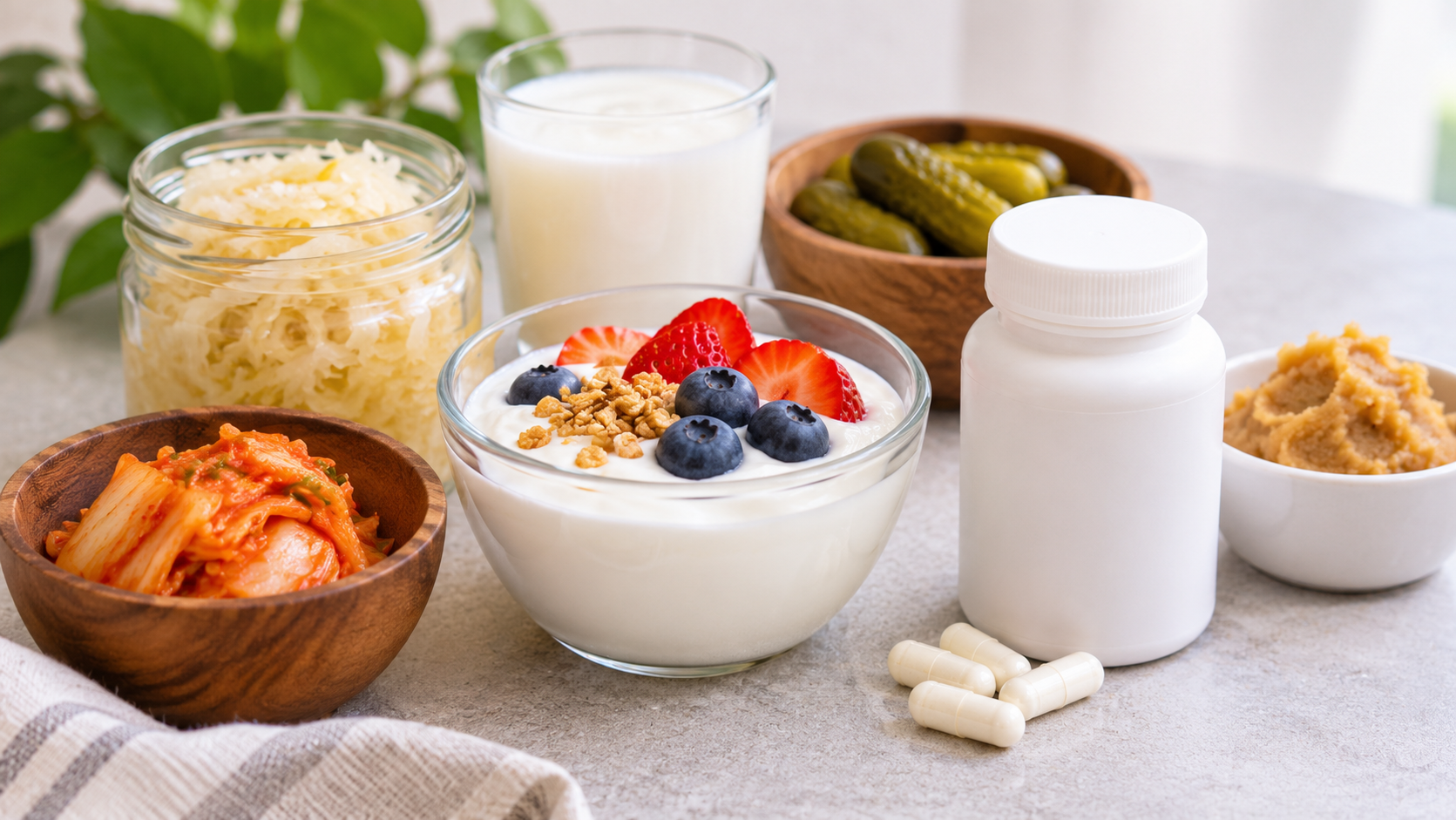
- Yogurt with live and active cultures
- Kefir
- Unpasteurized sauerkraut
- Kimchi
- Miso
- Naturally fermented vegetables
Remember that not all fermented foods contain living microorganisms or clinically established probiotic strains. Check product labels before purchasing.
How to Choose the Best Probiotic Supplement
When selecting a probiotic supplement, consider the specific strain rather than focusing only on the brand or price.
Look for products that clearly identify their ingredients, expiration dates, storage instructions, and colony-forming units (CFUs).
A higher CFU count does not automatically mean better results. The effectiveness of a probiotic depends on its formulation, intended purpose, and supporting scientific evidence.
Independent quality testing can also provide additional confidence in product manufacturing.
Potential Health Benefits of Probiotics
Depending on the specific strain, probiotics may support digestive comfort, improve bowel regularity, or reduce the likelihood of antibiotic-associated diarrhea.
However, scientific evidence remains limited for many advertised benefits. Probiotics are not a universal treatment for digestive disorders, weight loss, or immune-related conditions.
Are Probiotics Safe?
Most healthy adults tolerate probiotics well, although temporary gas or bloating may occur.
Individuals with weakened immune systems, serious illnesses, or underlying medical conditions should consult a healthcare professional before taking probiotic supplements.
Conclusion
So, what are the best probiotics for gut health? The answer depends on your individual needs and the scientific evidence supporting each strain.
A balanced diet, fiber-rich foods, regular exercise, and appropriate probiotic choices can contribute to digestive wellness. Always prioritize product quality and professional medical advice when choosing supplements for specific health concerns.