

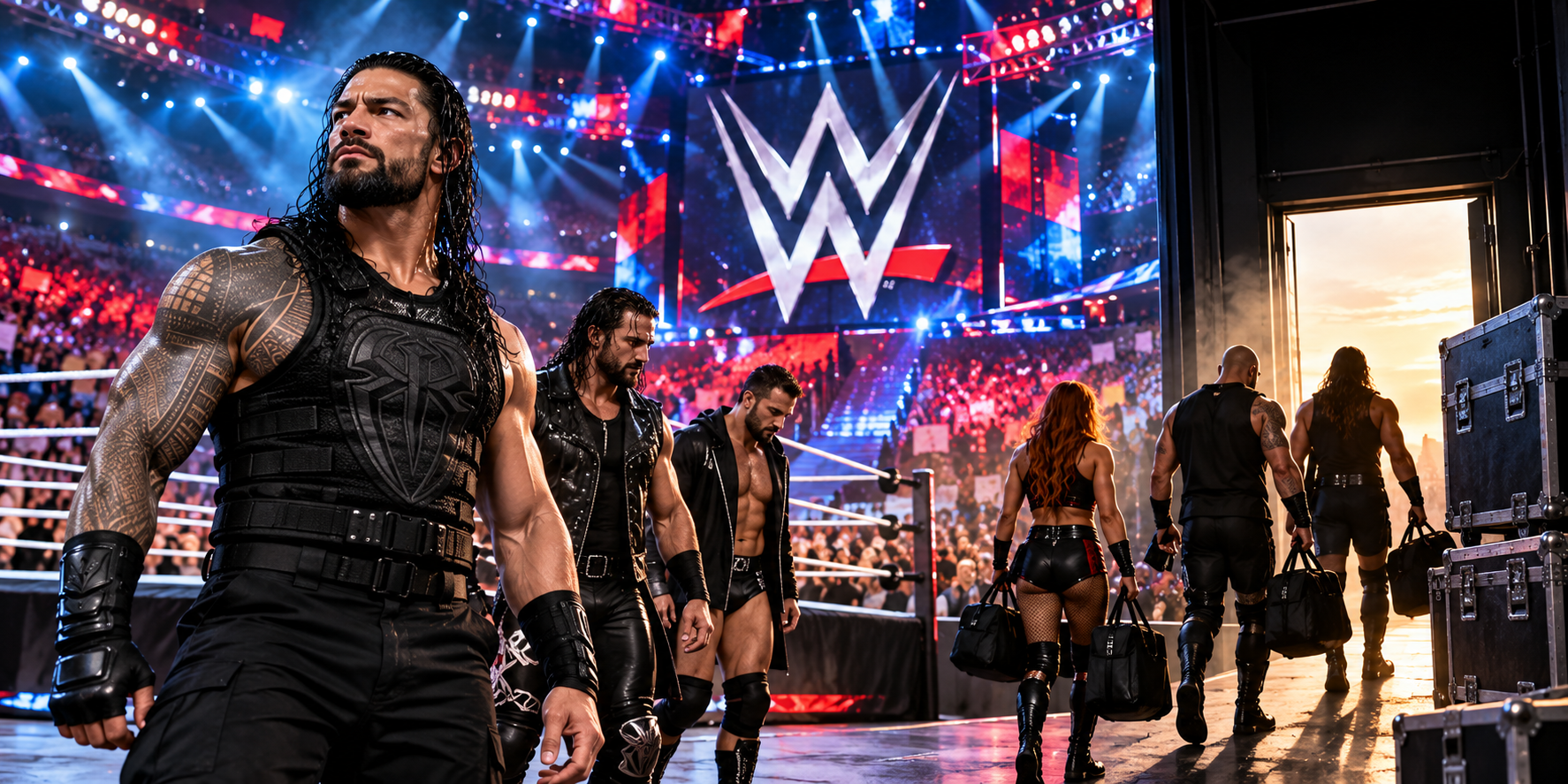
World Wrestling Entertainment (WWE) is one of the biggest professional wrestling companies in the world. Known for its popular superstars, exciting matches, and global entertainment events, WWE has experienced significant business changes in recent years.
However, WWE cutbacks have become a major topic among wrestling fans following several rounds of wrestler releases and employee layoffs. These decisions have raised questions about the company’s financial priorities, roster management, and future direction.
What Are WWE Cutbacks?
WWE cutbacks refer to the company’s decisions to reduce its workforce, release contracted wrestlers, or restructure business operations.
These reductions can affect main-roster superstars, developmental talent, and corporate employees.
WWE has periodically made such changes to manage expenses, reorganize departments, and create opportunities for new performers.
Latest WWE Cutbacks in 2026
WWE experienced significant roster changes during 2026.
Following WrestleMania 42 in April, the company reportedly released numerous wrestlers from its main roster and developmental divisions.
Notable departures included Aleister Black, Zelina Vega, Kairi Sane, and members of the Wyatt Sicks.
Another round of cuts occurred in September 2026, primarily affecting developmental wrestlers.
Reports indicated that 10 people departed from WWE’s developmental system during this period.
WWE Wrestlers Released in September 2026
The September cutbacks included several recognizable developmental performers.
Reported departures included:
- Wendy Choo
- Jasper Troy
- Adriana Rizzo
- Zena Sterling
- Anya Rune
- Braxton Cole
- PJ Vasa
- Gary Wilson
- Ellen Akesson
- Marcus Brown
These departures affected WWE’s NXT and associated developmental programs.
According to contemporary reporting, the September reductions were not expected to include Raw or SmackDown main-roster wrestlers.
Why Is WWE Cutting Wrestlers?
Several factors may contribute to WWE roster reductions.
1. Financial Management
Professional wrestling companies must manage substantial expenses involving talent contracts, production, travel, and business operations.
Reducing certain costs can help organizations adjust their spending priorities.
2. Roster Restructuring
WWE regularly introduces new talent from its developmental programs.
As emerging wrestlers move into larger roles, the company may reconsider the number of performers under contract.
3. Creative Decisions
Wrestling storylines constantly evolve.
Changes in creative direction can influence how frequently particular performers appear on television.
However, individual release decisions are not always publicly explained.
4. Corporate Restructuring
WWE merged with UFC under TKO Group Holdings in September 2023.
Following the merger, WWE experienced corporate layoffs as the combined organization worked to streamline operations.
How WWE Cutbacks Affect Wrestlers
Losing a WWE contract can create uncertainty for performers and their families.
Wrestlers may need to seek opportunities with other promotions, rebuild their professional relationships, or explore alternative careers.
Some former WWE performers continue wrestling internationally or on independent circuits.
Others pursue coaching, acting, broadcasting, or business opportunities.
What Do WWE Cutbacks Mean for Fans?
Roster changes can affect wrestling storylines, championship opportunities, and audience expectations.
Fans sometimes express disappointment when popular performers leave unexpectedly.
However, departures can also create opportunities for younger wrestlers to receive more television exposure.
The overall impact depends on how WWE manages its remaining talent and future programming.
Conclusion
WWE cutbacks in 2026 have affected both established performers and developmental talent.
The April and September releases demonstrate how roster management remains an important part of WWE’s business operations.
Although these decisions can disappoint fans and create challenges for wrestlers, the professional wrestling industry continues to evolve as companies adjust their strategies and develop new talent.