

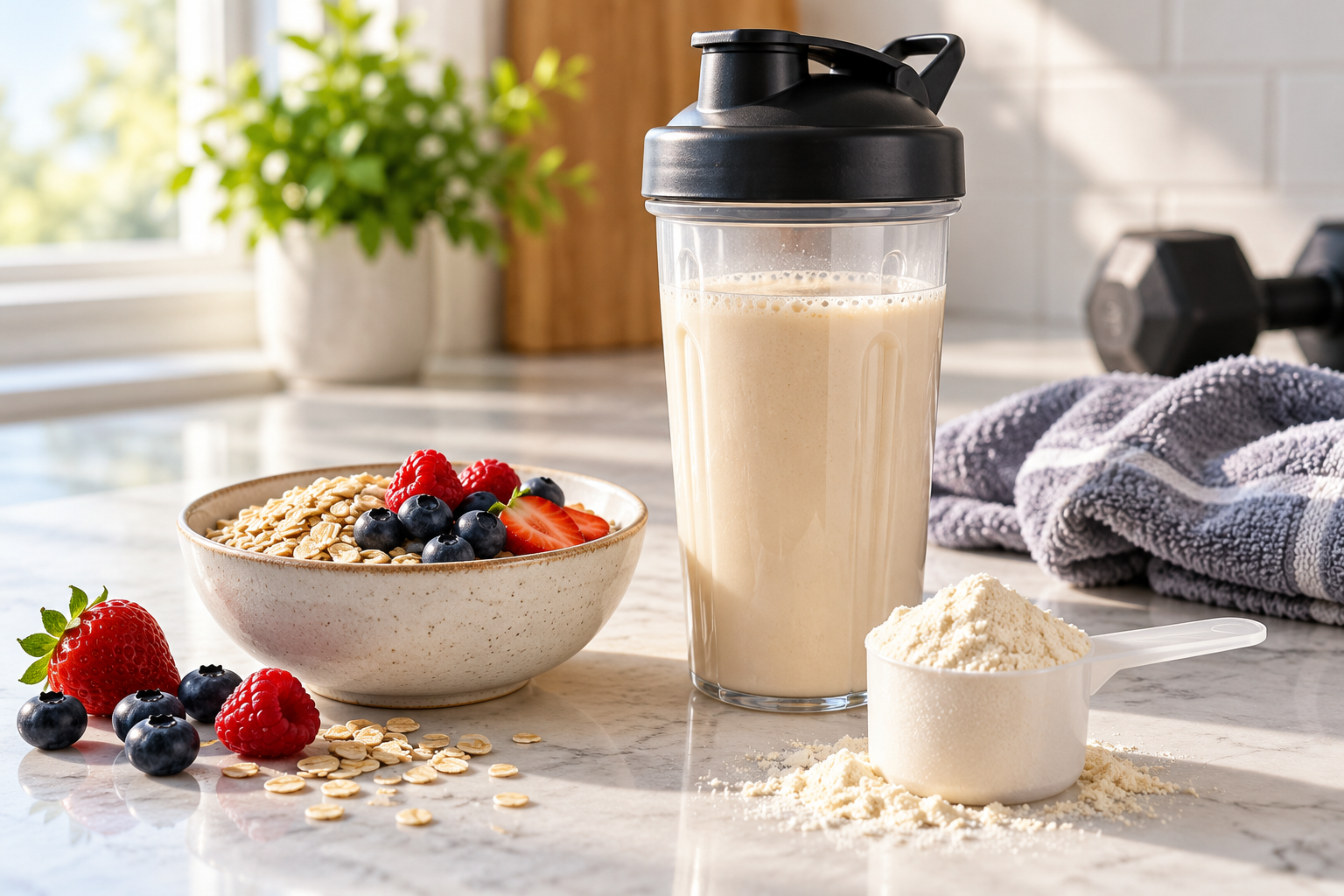
“WPI” usually means whey protein isolate, a milk-derived protein powder processed to concentrate protein and reduce some of the fat and carbohydrates found in whey concentrate. The best WPI is the one that fits your nutrition needs, budget, and taste—not necessarily the most expensive tub or the one with the biggest claims on its label. Whey is a complete protein, containing all essential amino acids.
Start by comparing the protein per serving with the serving size. A scoop’s weight is not the same as its protein content: flavorings and other ingredients contribute to the total. Check calories, added sugar, fat, and the ingredient list too, especially if you follow a particular diet or have food sensitivities. If you are comparing prices, calculate the cost per serving that provides the amount of protein you actually want.
Next, consider how you will use it. An unflavored WPI may mix into oats, smoothies, or recipes without changing the taste much. Flavored powders can be convenient in water or milk, but sweetness and texture vary. Single-serve packets can help you try a product before buying a large container. A powder you enjoy using is more practical than one that sits unopened in the pantry.
Look for independent quality testing, especially if you compete in sports and must avoid prohibited substances. Programs such as NSF Certified for Sport list specific products that have been certified; check the exact product and flavor in the current database rather than relying only on a logo in an advertisement. Certification can help with quality screening, but it does not mean a supplement is necessary or that it will produce a particular result.
WPI may contain less lactose than some other whey powders, but it is still made from milk. It is not suitable for someone with a milk allergy, and people with lactose sensitivity should check the product label and their own tolerance. If you have a medical condition, take medication, or are unsure whether extra protein is appropriate for you, ask a healthcare professional before adding a supplement.
Remember that protein powder is optional. The NIH notes that athletes may obtain protein from food and use supplements if needed; a powder is a convenient way to fill a gap, not a replacement for a varied diet. Also, dietary supplements are not approved by the FDA for safety and effectiveness before they are marketed, so be cautious of products promising dramatic results.
When choosing the best WPI, focus on the label, testing, taste, and cost per useful serving. Compare a few options, verify any certification directly, and choose a simple formula that suits your routine. Consistent training, adequate food, and recovery matter more than a powder’s branding or claims.